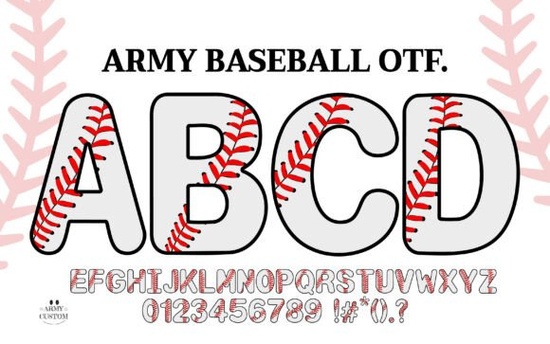
If you need lettering that looks like it belongs on a catcher’s mitt or the back of a little league jersey, Army Baseball is a straightforward choice. This bold color OTF font builds each character with a thick, rounded body and wraps it in bright red baseball stitching, so it reads like a fan-ready emblem the moment you type it out.
What kind of projects use a stitched baseball font?
Most people reach for something this sporty when they’re working on team apparel, dugout banners, or event decor. Because the stitching detail is already built into the letters, you don’t need to layer textures or fake an embroidery effect. It lands quickly for:
- Youth sports uniforms – create name plates and jersey numbers without a complex design tool
- Snapback caps and beanies – the bold outline stays crisp on curved surfaces
- Birthday party signs – instant baseball theme for invitations, cupcake toppers, and welcome posters
- Sports bar menus – pair with a simple slab serif for chalkboard-style specials boards
- Water bottles and tumblers – the open center of each letter gives you room for a colorful fill or vinyl cut
Is Army Baseball a color font, and what does that mean for my workflow?
Yes, it’s an OpenType color font (OTF), so the red stitching and cream-colored fill come through natively in software like Photoshop, Illustrator, and even some newer versions of Silhouette Studio. You don’t need to stack multiple text layers or assign separate fills. If you need a single-color version for engraving or foil quill, most apps let you switch to a flat outline with one click keeping the same rounded shape without the stitched detail.
Can I use this font for print-on-demand and physical products?
Absolutely. The thick outlines and generous internal space hold up on mugs, tote bags, koozies, and wood signs. I’ve seen crafters use it on heat-transfer vinyl for t-shirts because those seams don’t close up at smaller sizes. If you run a POD store, it fits nicely into popular niches like baseball mom collections, coach gifts, and tournament locker room gear. Just remember to flatten the text or convert to outlines before uploading, as some POD platforms won’t interpret the color glyphs automatically.
Which file format do I get, and how do I install it?
The download includes the OTF color file. Installation works the same as any other OpenType font: double-click on a Mac, or right-click and “Install” on Windows. Once it’s active, it appears in your font menu with the stitched styling ready to go. If you’re using a cutting machine, check that your software supports OTF color; otherwise, use the black-and-white outline option and let your vinyl do the talking.
What typefaces pair well with heavy baseball lettering?
With a font this visually loud, let the supporting text stay quiet. A sturdy athletic slab serif or a condensed sans keeps things clean without fighting for attention. Try something like College or Freshman for jersey numbers, or a narrow all-caps sans for event dates. Avoid anything with additional texture or shadow, as that can make the whole design feel cluttered. The goal is to let the stitched characters lead while you use simpler lettering for names, stats, and taglines.
Does this work for layered vinyl and multi-color cutting?
If you’re comfortable with registration marks and layering, you can replicate the two-tone look with yellow and red adhesive vinyl. Use the font’s outline as your base and cut a separate stitched inset. A few extra minutes of weeding gives you the same dimensional ballpark feel without needing a color-capable printer. Crafters who own a Cricut Maker or Cameo have shared that using the Print Then Cut feature on sticker paper also preserves the stitched effect beautifully for scrapbook pages and locker decor.
How do I keep the design readable at a distance?
The thick letterforms do most of the work. When you’re printing a banner, stay above a 2-inch cap height and increase the tracking slightly to give each letter room to breathe. For a 48-inch wide dugout sign, you can scale this font significantly without the stitching turning into a blur the borders remain clear because they were drawn at a generous weight. If you’re building digital graphics, drop a high-contrast background like a dark green outfield or weathered wood behind it to keep the cream fill from blending in.
Before you export your next sports project, remember that playful, colorful fonts like this behave best when you give them one job: be the hero of the layout. Don’t force them into small secondary text roles.
Quick checklist before you hit print:
- Check that the red stitching doesn’t close up at your final size test on the material you’ll use.
- If your output is single-color, flatten the color font to an outline before sending to the cutter.
- Pair the stitched font with a clean mono-line sans for details.
- Apply a subtle drop shadow or offset path on dark garments to keep the cream fill visible.
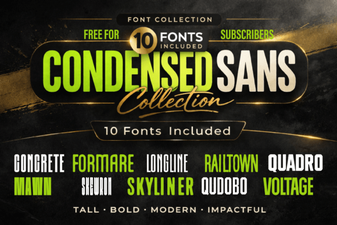 Condensed Collection 10 Tall Set Font Design Ideas
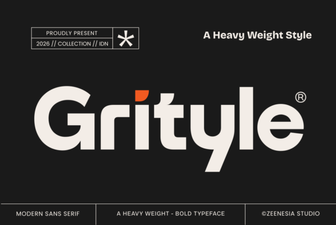 Grityle Font Design Trends and Creative Uses
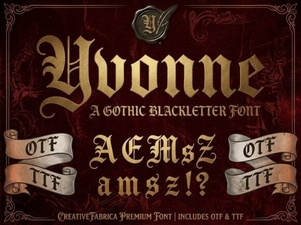 Yvonne Font Design Trends and Creative Uses
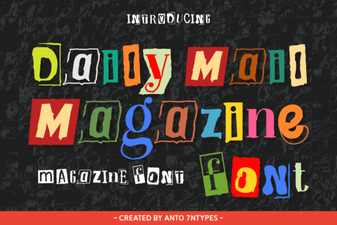 Daily Mail Magazine Font Design Ideas
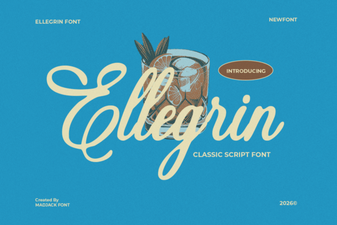 Ellegrin Font Design and Creative Uses
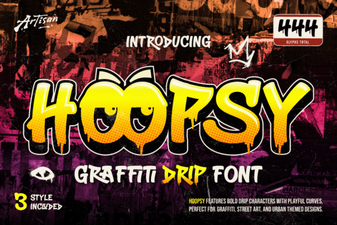 Hoopsy Font Design Trends and Creative Uses